





Originally posted by Diana Nguyen and Trevor Miranda on MyDryEye.ca on January 16, 2021
Cosmetics and its Impact on Dry Eye
The Canadian cosmetic market is one the fastest growing industries expected to reach 15.8 billion US dollars by 2021. By the end of 2019, there were over 1,800 cosmetics, beauty supplies and perfume stores in Canada. For some people, wearing makeup is part of their daily routine, but did you know that it can be doing more harm than good? This is especially true if you have dry eyes. Let’s dive into the deeper layers of the makeup industry and investigate the ingredients that are toxic to your eyes and body.
Cosmetic Regulations in Canada

Many cosmetic products that are created may contain toxic ingredients that are harmful to our eyes. Although all cosmetics sold in Canada must meet the requirement of the Food and Drugs Act and the Cosmetic Regulations, the minimum requirement is usually not enough to ensure they are eye-friendly.
Even makeup labels such as “hypoallergenic”, “sensitive formulation” and “Ophthalmologist tested” have no specific requirements. There are no federal standards or definitions for these terms and there is no regulatory process for Ophthalmology tested products. This means that the makeup companies are creating these labels from a marketing perspective rather than being based on science. As a result, you may be unintentionally buying products that worsen your dry eye symptoms.
Common Cosmetic Offenses
One of the common culprits seen in an eye doctor’s office is eye complications related to lash extensions. Individuals with lash extensions are prone to blepharitis and “mites” (demodex).
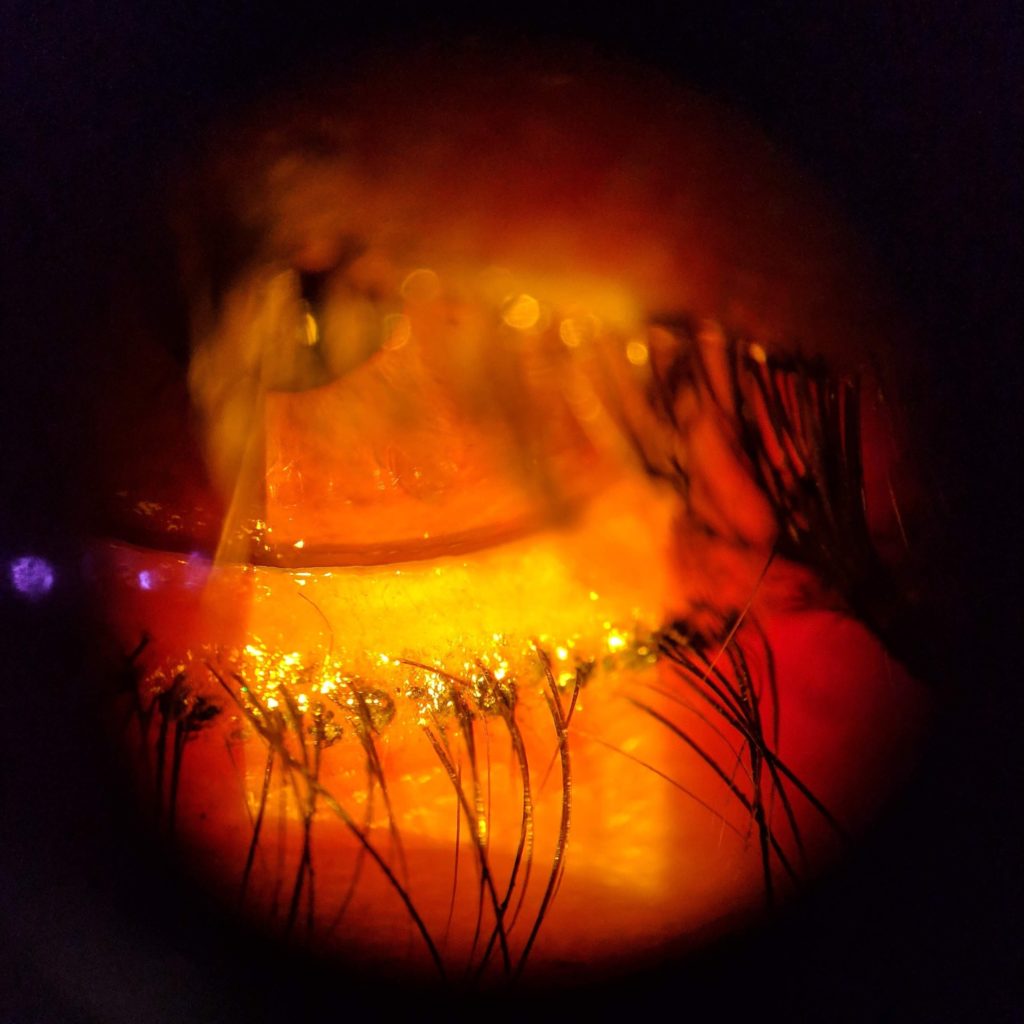
Blepharitis is an inflammation of the eyelid margin due to overgrowth of biofilm, bacteria and debris. In large quantities, demodex can also cause inflammation and itchiness of the eyelid margin. You can also experience allergic and inflammatory reactions to the glue.
Another cosmetic offense are permanent eyelid tattoos. The tattoos can release toxic pigment to the surrounding skin and cause structural damage to the delicate oil glands.
The use of eyeliner applied to the waterline (which is your oil gland margin) can cause dry eye symptoms to worsen because the cosmetic product can block the oil glands (meibomian glands). It is best to avoid tight-lining your waterline. These oil glands need to have a clear opening to release healthy oils in order to prevent the tears from drying up. It is important not to apply eyeliner or cosmetics on the waterline.
There are also strong health concerns surrounding traditional kohl/kajal. Kohl/kajal is a traditional eye cosmetic in Middle Eastern, Asia and North African societies. In September 2005, Health Canada issued a public advisory on the potential exposure to lead through traditional kohl/kajal. If you are wearing traditional kohl/kajal, you should switch to less toxic and more eye-friendly products.
Toxic Ingredients in Makeup
Toxic ingredients in makeup can cause several dry eye problems such as tear film instability, eye irritation, irritation to the delicate oil glands (meibomian glands) and tear film contamination. Tear film contamination is like dirt in a bathtub – think about the makeup debris as dirt and your tear film as your bathtub. You wouldn’t want to bathe yourself in dirty water so why create a hostile environment for your eyes?
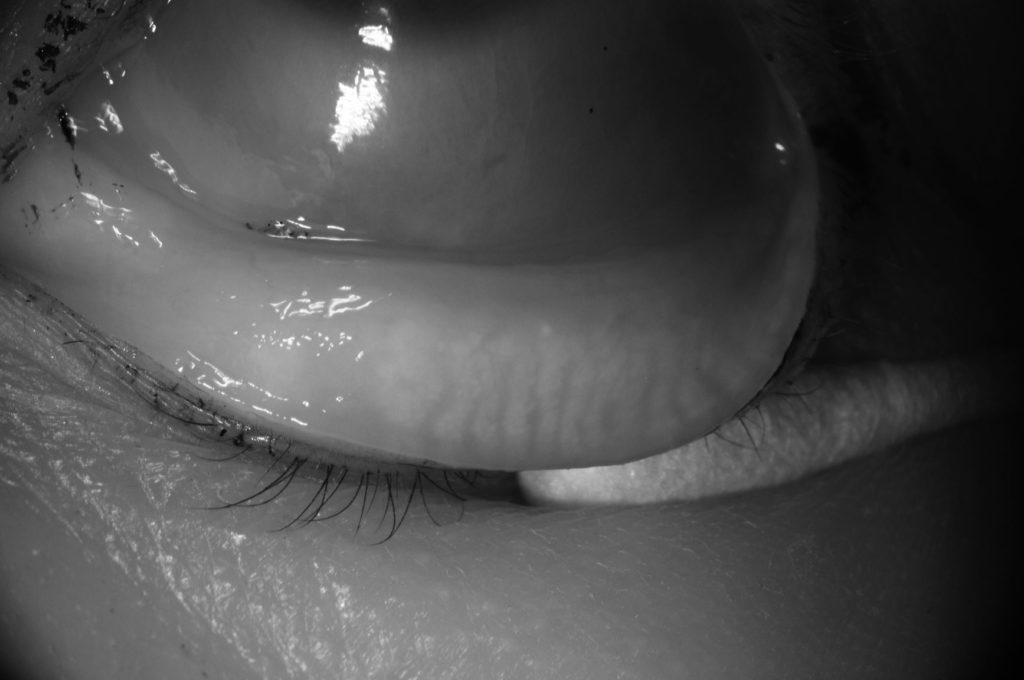
Remember that not all makeup products are created equal so its best to avoid poor quality makeup that may contain toxic ingredients. Below is a general list of toxic ingredients to avoid in makeup.
- Acetyl hexapeptide
- Alcohol
- BAK (Benzalkonium chloride)
- Bromo 2 nitropropane diol
- Cholorphenesin
- Diazolidinyl urea
- DMDM Hydantoine
- EDTA (Ethylenediaminetetraacetic acid)
- Formaldehyde
- Hydroxymethylglycinate
- Imidazolidnyl urea
- Isopropyl cloprostenate
- Parabens
- Phenoxyethanol
- Prostaglandins
- Quaternium
- Retin A
- Sodium laureth sulfate
- Triretinoin
- Urea
Clean Beauty Options and Taking Care of Your Eyes with Makeup

Thankfully, there are clean makeup options available that are more gentle for the eyes. These makeup brands are free of toxic ingredients and are fantastic alternatives to other makeup products.
Changing your makeup is only part of the solution, it’s also important to have a daily eyelid hygiene (eyegiene) regimen that consists of eyelid wipes and/or cleansers that can kill bacteria and demodex. Having good eyegiene will reduce inflammation, bacteria build-up and irritation around the eyes.

Systane PRO PF Eye Drops: The Complete U.S. Guide
Systane PRO PF combines propylene glycol 0.6%, sodium hyaluronate, HP-Guar and lipid nano-droplets. Learn how it works, who it may suit and how it compares.

EyePromise De3 (Formerly PRN De3): Complete Guide
A complete guide to EyePromise De3, formerly PRN De3, including its EPA and DHA dose, 3:1 ratio, rTG form, vitamin D3 and how it fits a dry-eye routine.

Heyedrate Clinical Eye Drops: A Complete Guide
What is Heyedrate Clinical? Learn about providone, Hylan-A, hyaluronic acid, contact lens use, dosage and safety in this complete guide.

